History Council of Western Australia
Welcome to

History Council of Western Australia

St George’s Terrace, c1950,
Frank Hurley, NLA, obj-157579632

About Us

Formed in 2003 the History Council of Western Australia is an association dedicated to promoting the study, preservation and use of history in Western Australia. It is the peak body representing history in Western Australia. Members include local, family and labour history societies, Aboriginal organisations, migrant history associations, professional bodies, museums, libraries and archives, heritage organisations, and universities, as well as other organisations where historical work is undertaken.

The History Council of Western Australia regards an active engagement with history as essential to the well-being of contemporary society; recognises Western Australian history as enriched by diversity; and acknowledges that Western Australian people are custodians of their own history.
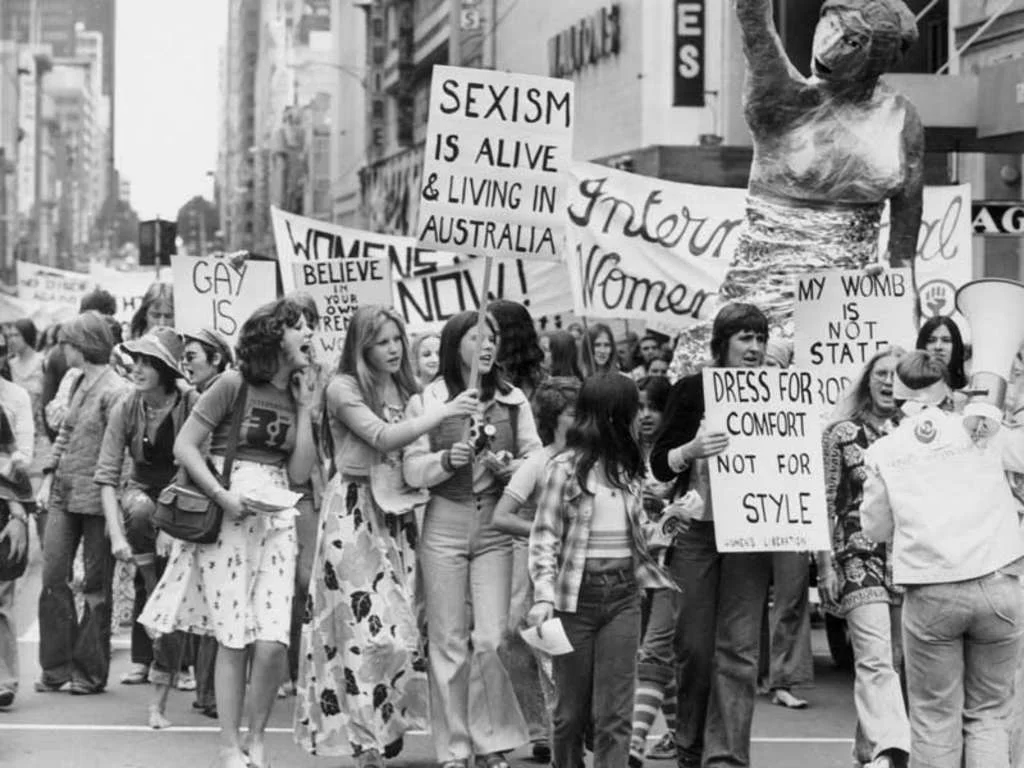
May Day, Union of Australian Women Fremantle, 1963, State Library of WA b006835d.

Advocacy

The History Council of Western Australia provides a voice for history by promoting the study, preservation and use of history in Western Australia.

Acting as a peak body, the History Council responds to the history interests of the broader community, speaking and acting authoritatively on its behalf.

Interested in what we are doing?

Our membership year runs from 1 July to 30 June.

We encourage both individuals and organisations involved in history to join us.
Our members received regular email news updates, a quarterly newsletter and a choice of events throughout the year.

Your contribution is used to help us provide a voice for history.
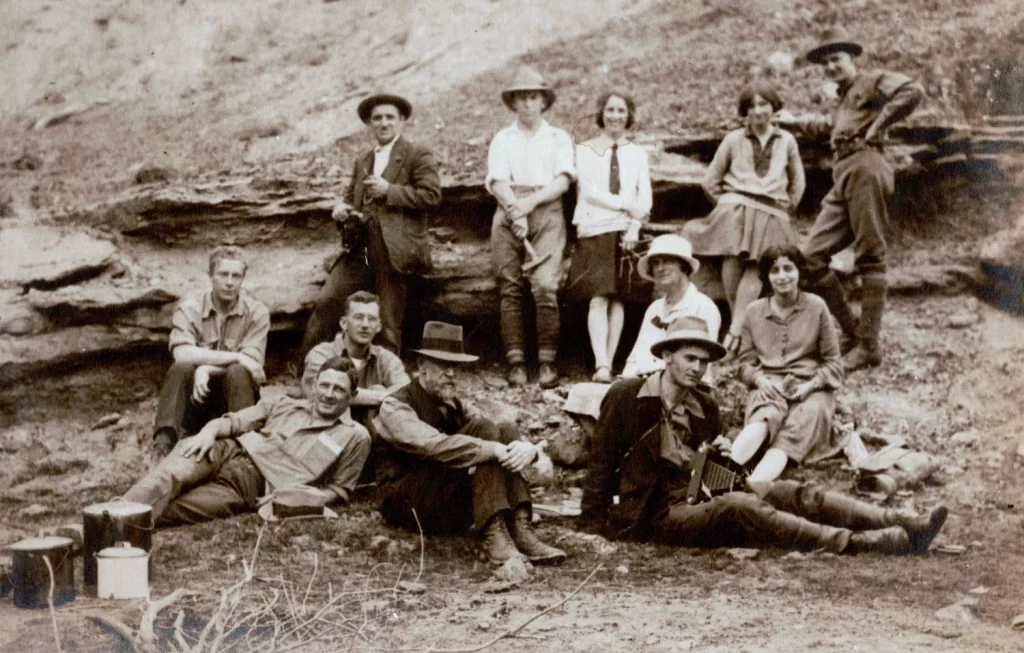
Irwin River UWA Geology Camp, September 1928, UWA Geology Museum.

Frequently Asked Questions

If you need any further information, don’t hesitate to contact us.

We are the peak body representing history in this state.

  • We advance the practice and place of history at all levels and in all settings
  • We advocate for historical interests on behalf of the whole community.
  • We make submissions, write letters and issue media releases where appropriate on matters such as
    • History curricula in the primary, secondary and tertiary education sectors
    • Arts funding, in particular cultural institutions
    • Access to family records
    • Digital archives and digitisation of records
    • Aboriginal and Torres Strait Islander history and heritage
    • Heritage.
  • We also advocate for the inclusion of historians on relevant committees

  • We welcome public input on all matters relating to the practice and preservation of history.

  • We host an annual History Council Lecture at which an eminent speaker shares fresh thinking on historical matters and events or provides new evidence on an historical topic.
  • We publicise coming events to be held by our corporate members.
  • We host Ideas Forums for our members to gather their views on various issues
  • We host other events from time to time as opportunities arise.
  • The governing body of the History Council is a 17-member Committee, which includes two Indigenous representatives.
  • Our Executive includes President, Vice President, Secretary, Membership Secretary and Treasurer
  • Elections to the Committee of the History Council of WA take place annually at our AGM. Only members are eligible to nominate and vote in elections. 
  •  Members of the History Council of WA are encouraged to approach us with items for consideration by the Committee. These items should be issues of concern or for information for the history sector. Agenda items are included at the discretion of the President.
  • Our Committee meets five times a year to develop policy and respond to advocacy issues. The Executive Committee meets six times a year.
  • There are two types of membership:

    1. Individual: history enthusiasts and supporters, history students and/or professionals including those in museums, libraries, archives and professional organisations
    2. Corporate: our corporate members encompass large, medium and small organisations. These range from government departments to local history organisations.

    Full details and a membership form are available on our Membership page
Sign up to receive news and updates